Instagram

December 15, 2013

Eggs For The Weekend

I enjoy cooking with eggs.  My favorite story as a chubby little kindergartner (with a BIG appetite) was "The Little Red Hen", a popular Russian folk tale about the virtues of the work ethic and personal initiative.  But at 4 years old, none of that mattered to me.  I was only interested in the illustrations depicting anything to do with food and eating.

The book was full of wonderful illustrations, such as the planting of a few wheat grains that the little red hen came across one day on the farm.  Later in the story, she harvests the wheat and mills it into flour.  All on her own, without the help of any of the other farm animals.  Then there's that perfect kitchen in her "house", where she baked her delicious bread loaf and enjoyed it with her chicks, shutting out the other animals for being too lazy to help.

Come to think of it, that story was my first ever cookbook!

But back to eggs.  They're a great source of protein and a very versatile pantry staple that combines beautifully with many other ingredients. We all have our favorite egg recipes - and mine are numerous -  but I have two standouts that I make all the time.


Baked frittata with corn, blue cheese, onion and parsley

The first recipe I learned from my grandmother, a talented home cook who took a simple approach to cuisine, with astonishing results. She fried her eggs in olive oil and spiced them with sumac, a common flavoring agent in Mid-Eastern kitchens.  The zesty citrus taste of sumac cuts through the richness of the eggs which become crispy from frying in the oil.

The second recipe is a baked frittata that I put together from whatever I had in my fridge that day, and it became an instant hit.  Sweet corn pairs fabulously well with the strong blue cheese, mixed with parsley and onions for an herby and earthy balance.  

Sumac-Spiced Eggs
serves 4

8 fresh, organic eggs
3 Tbs extra virgin olive oil
1.5 Tbs sumac (found in specialty/health food stores)
salt to taste

In your favorite skillet - I prefer cast iron - heat oil until hot and begins to ripple.  Crack eggs in the skillet.  Sprinkle with salt and sumac and fry until the desired doneness is achieved.  I cover the eggs and cook to over-medium, where the whites are firm but the yolk is still runny.

Baked Frittata with Corn and Blue Cheese
serves 4 

4 fresh, organic eggs, beaten
1/2 bunch chopped Italian parsley (about a cup)
3/4 cup crumbled blue cheese
15-ounce (425 gr) can of corn (or 2 cups frozen corn, thawed)
salt & fresh black pepper to taste
olive oil cooking spray
1 Tbs extra virgin olive oil
1 medium onion, chopped

Preheat oven to 375F (190C). Spray a 9-inch (23 cm) pie plate with cooking spray (or brush with a little olive oil).  In a large bowl, whisk together the first five ingredients. Set aside.  Sautee onion in oil until translucent and beginning to brown.  Add to egg mixture and fold to combine.  Pour mixture into pie plate and bake for 30 minutes.  Remove frittata from oven and let rest for 5 minutes before serving.

Frittata cross-section

Random Pic: "Turkey S & M"

My Thanksgiving turkey wrapped in Saran while it dry-brined.


November 4, 2013

Cooking While Broken.

After Peru, I had a few days' pause at home in San Francisco before it was time to go back to Switzerland, one of my favorite places on the planet. Mind you, I had a broken finger on this trip, so that part wasn't much fun at all. But I was committed to giving a guest lecture to a brilliant group of hospitality management students there. Not going was absolutely out of the question.

I woke up to the first day of snow in Chateau d'Oex, near Gstaad
The historic Castle of Chillon in Montreux


In spite of my handicap, I was determined to take advantage of every bit of free time I had when I wasn't working, in order to sight-see and do some cooking for my friends. In hindsight, the latter was probably not the smartest thing I've ever done.
My experience with one-handed cooking? I don't recommend it.  

But the next day it was sunny again on the lake in Montreux

However, I highly recommend that you try the fabulous meatballs recipe below, a favorite of mine which I somehow managed to test and tweak while I was there. Also check out the random selection of pics I took on the trip, including how to hot-tub with a broken finger.  
Glam.or.ous!

Hot-tubbing for the broken
Delicious Swiss breakfast in Valais


The view from my friend Jacques' house in La Croix, Montreux

Braised Meatballs with Dried Cherries & Labneh - adapted from Chef Yotam Ottolenghi's original recipe
The finished product
750 g (1.65 lbs.) minced lamb (not too lean, a few specks of fat in the meat will make it tasty) 2 medium onions, peeled and finely chopped 20 g (0.7 oz.) parsley, finely chopped 3 garlic cloves, peeled and crushed 1 tsp each ground allspice and cinnamon 70 g (2.5 oz.) dried cherries, roughly chopped (dried plums work well, too!) 1 free-range egg Salt and black pepper 100 ml (0.5 cups) sunflower oil 700 g (1.5 lbs.) shallots (or sweet onions), peeled 200 ml (1 cup) white wine 500 ml (about 2 cups) chicken stock 2 bay leaves 2 sprigs fresh thyme 2 tsp sugar 150 g (5.3 oz.) dried figs 200 g (7 oz.) good Labneh, aka Lebanese Yogurt (Greek yogurt works just as well) 3 tbsp of your favorite fresh herbs (such as mint, coriander, dill or tarragon), torn roughly

Meatballs a-cookin'!
In a large bowl, put the lamb, onions, parsley, garlic, allspice, cinnamon, dried cherries, egg, half a teaspoon of black pepper and a teaspoon of salt. Mix with your hands and roll into rounds about the size of a golf ball.
Heat one-third of the oil in a large, heavy-based pot for which you have a tight-fitting lid. Over medium heat, cook the meatballs a few at a time, turning them around for a few minutes on medium heat, until colored all over. Remove from the pot and set aside. Repeat with the remaining meatballs.
Wipe the pot clean and add the remaining oil. Add the whole peeled shallots and cook them over a medium heat for 10 minutes, stirring frequently, until golden-brown all over. Pour in the wine, leave it to bubble for a minute or two, then add the stock, bay leaves, thyme, sugar and some salt and pepper.
Arrange the figs and browned meatballs around and about the shallots; the meatballs need to be almost submerged in liquid. Bring to a boil, cover the pot with a lid, reduce the heat to minimum and simmer for 30 minutes. Remove the lid and simmer for another hour, until the sauce has reduced and intensified in flavor. Taste and season as needed.
Transfer the contents of the pan to a large, deep serving dish. Whisk the labneh, pour this over the top, sprinkle with herbs and serve with your favorite white rice.
Enjoy!
Maroun
Please follow me on Instagram & Twitter. #tenpotatoesblog @tenpotatoesblog

October 1, 2013

Tastes of Magic in Lima

A few weeks ago, I had the good fortune of taking a trip to Lima to participate in the first edition of Latin America's 50 Best Restaurants Awards.  The capital of Peru dates back to the times of the first Conquistadors. Amazingly, the noble descendants of Pizarro's First Captain, Jeronimo Aliaga, still reside in the same house which he built back in 1535.  It is the oldest house in America that is continuously inhabited by the same family.  Lima is South America's third largest and - for many good reasons - one of the most important megacities and culinary destinations in the region.

stuffed, baked potato dough called Papa Rellena (L) and Charito Oysters a la Chalaca (red onion sauce) at the traditional Queirolo Taberna in Lima, a family business which dates back to the 1880's!

The country's mind-boggling diversity of regional ingredients lends itself to a cuisine that is commanding the respect, curiosity and admiration of chefs and gourmands worldwide.  Fact: Peru grows more than 4000 varieties of potatoes.

with the wonderful team at Lima Tours, enjoying a luxurious lunch at the Larco Herrera Museum restaurant.  The museum houses an incredible variety of historic Peruvian artifacts, as ancient as 2300 B.C.

 lobster goodness at Mercado restaurant
There is an astonishing array of marine life in the Peruvian Pacific waters, where the country's coastline is just shy of 2000 miles long.  Currents, both hot and cold create distinct aquatic environments in which different species of fish and shellfish thrive, depending on the temperature of the current in each environment.

Further to the east, the mighty Amazon River offers up its own bounty of countless exotic fish and other delectable river creatures, delightfully omnipresent on restaurant menus everywhere.  And right along the middle of Peru, the Andes mountains rise up majestically to form the fertile agricultural heartland that produces fruit and vegetable varieties found nowhere else in the world.

ceviche at its best from the country that invented it
Dining around Lima, an outsider may easily observe just how obsessed the LimeƱos are with their local food culture.  There, it is not with "what do you do?" that conversations are begun, but rather with "where have you been to eat so far?"

Chefs, restauranteurs and foodies in Peru go to great lengths to promote their magnificent cuisine, and the world is just beginning to take notice.

On our way to visit Mistura, Latin America's largest annual food festival, our taxicab driver beamed with excitement as he provided us with valuable advice on what to try first and how to pace ourselves.  "Mistura is heaven on earth for food lovers", he happily postulated.  The festival takes place underneath a very large cluster of tents, pitched side-by-side on the sandy beach of Magdalena del Mar district, also known as Lima's Costa Verde.  Much like the Louvres Museum, this festival is impossible to experience in just one visit.  At least 3 days are de rigueur for sampling the country's hundreds of regional dishes, cooked to order right before your eyes.

some of the country's finest bakers making fresh bread onsite at Mistura

The final count?  84 courses in 9 days, enjoyed with some of the warmest, most hospitable people I have ever had the pleasure of meeting.  Cuisine is just one of many tricks up the Peruvians' sleeve, and I look forward to discovering more of their magic on another visit, hopefully very soon.  

Best Wishes,

Maroun

lunch at Mercado in Lima.  L to R: Chef/Owner of Contramar Mexico City, Gabriela Camara, American TV Chef Rick Bayless, GM of Hotel B, Ignacio Masias, me, Malabar' Chef/Owner Pedro Schiaffino and my lovely colleague Laurie
the lovely Boutique Hotel B in the bohemian-chic district of Barranco, Lima

August 25, 2013

From Beirut to Rome: Good Food Makes A World of Difference.

We just returned from an incredible vacation to the Middle East and Europe.  At culinary capitals like Beirut and Rome, food is a natural vehicle for good times, creating the great memories we bring back home and cherish forever.

Take breakfast at my parents' house near Beirut, for example.  My mother makes her own thyme pies, and my father organically grows the most delicious tomatoes I have ever tasted in my life.  Put the two together, and this combination is flavor perfection.  I couldn't think of a better meal to kick-start my day.  I also sneaked back a few pies in my suitcase on the way home.  I'm happy to share my recipe for these thyme pies - called Man'ousheh in Lebanese.  Simply send me an email!

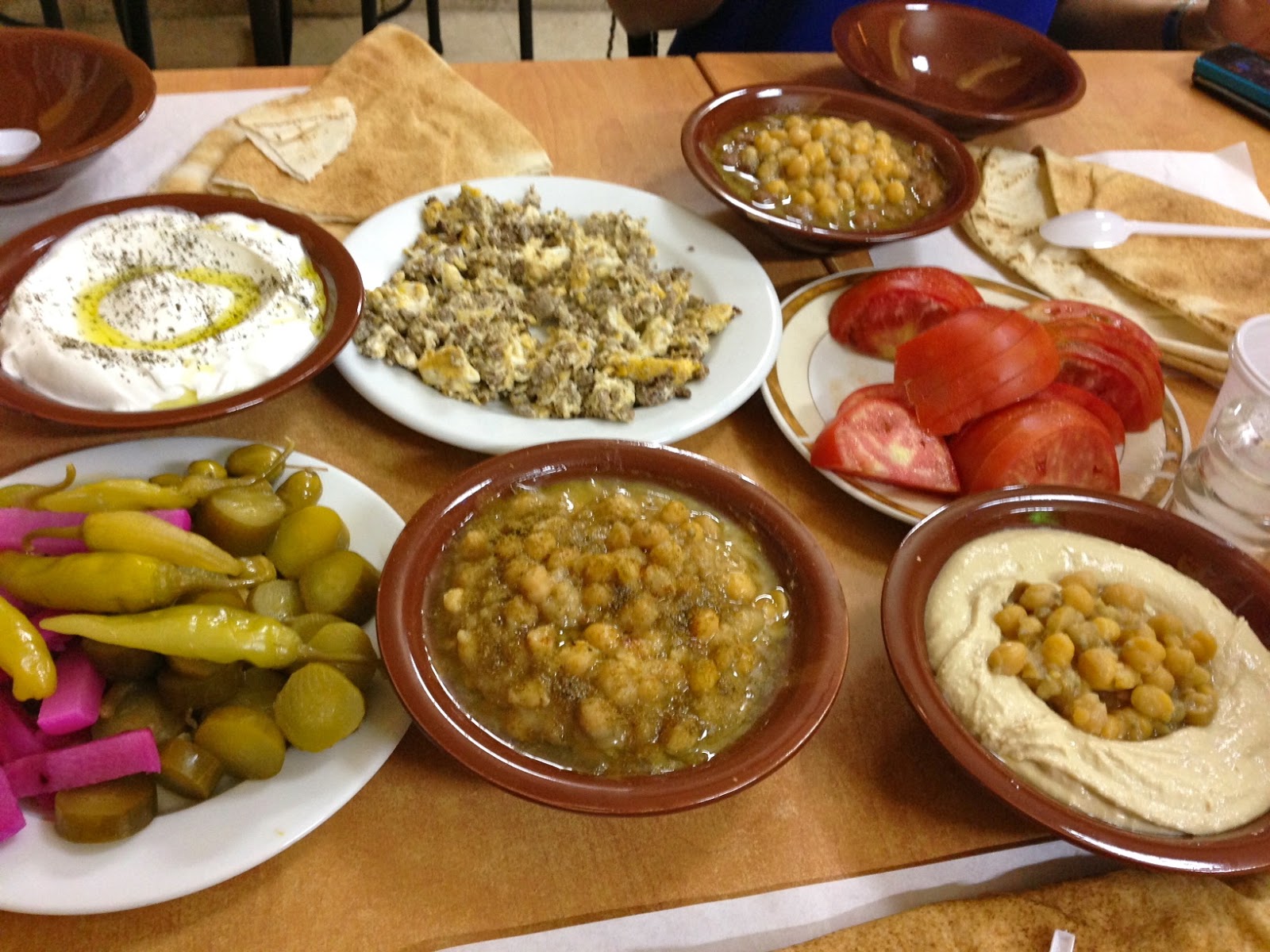
A typical Lebanese breakfast: Preserved Lamb with Eggs; Garlic Yogurt (Labneh); Hummus; Balilah, an assortment of Vegetables and Pickles, all enjoyed with Lebanese bread.

Mom's Middle-Eastern dinner feast
Lunches and dinners in Lebanon were no different.  We visited several great restaurants (as well as home kitchens), where we experienced some of the most sumptuous and elaborate meals.  Invitations would come in at random from friends and family, and for no specific reason other than "just to have a good time." This is how magic is created around the dining table, bringing people together to enjoy and celebrate life, which turns into a chance to try out new flavor combinations.  I'll let the pictures speak for themselves, and I invite you to try out my latest recipe below: a Lebanese-style vinaigrette, guaranteed to liven up any salad you make and become a staple in your repertoire.  Enjoy!

The salad complemented the heavier dishes perfectly


Similarly, after traveling to Italy, I am reminded that a dish as straightforward as a Roman pasta with fresh tomatoes, cooked to perfection is why simple good food always wins.


One of the many simple but great meals we enjoyed in Rome. Pictured here in the Jewish Ghetto.

When you experience meals that are made with love and the most wonderful of ingredients, life gets instantly better.  Whether to Rome or Beirut, or anywhere your journeys take you, here's to more travel, good food and happy memories around the table.

Best Wishes,

Maroun


Family-made Limoncello at a lemon orchard in Sorrento, Italy
Simple pastas and risotti make the best meals. Rome, Italy
Classic Lebanese Salad Dressing

Use this dressing (or vinaigrette) to add some zing to any of your favorite salad ingredients!

Mom's salad dressed with the classic Lebanese vinaigrette
Makes 1 Cup


1/2 cup fresh lemon juice - never from a bottle
1/2 cup good quality extra-virgin olive oil
2-3 cloves garlic, minced
1 tsp. salt - kosher salt is great for dressings
ground black pepper to taste
Optional: a pinch of Sumac spice

Add all ingredients to a bowl.  Mix just before serving.  Dressing some salads (such as those containing warm roasted vegetables) ahead of serving is perfectly fine.  Use your own judgement in this case.